
Food & Supplement Manufacturing
Sanitary dust collection for food processing, supplement blending, and ingredient handling — stainless steel construction, allergen isolation, product recovery, and NFPA 61 explosion protection.
Food and supplement manufacturing creates a unique set of dust collection challenges that industrial facilities in other sectors don’t face. The dust itself is often the product — flour, protein powder, spice blends, sugar, vitamins — so every gram captured by the collector is either recovered or wasted. The materials are frequently combustible under NFPA 61, and many are major allergens that require complete isolation between production lines.
On top of that, food-grade facilities operate under FDA 21 CFR 117 (cGMP) requirements that dictate construction materials, surface finishes, cleanability, and documentation. A dust collection system that works fine in a metal fab shop won’t pass a food safety audit — you need stainless steel construction, sanitary connections, smooth interior surfaces with no ledges or crevices, and wash-down capability.
The Southwest’s dry climate is actually an advantage for food processing facilities. Low ambient humidity reduces condensation and moisture-related issues in ductwork and collectors. But desert heat creates its own considerations — high ambient temperatures can affect filter media performance and collector cooling, which we factor into every system we design for this region.
Every system we install is backed by our pass-or-free compliance guarantee. If it doesn’t pass OSHA, NFPA, or FDA audit due to our design or installation, we fix it at no cost.
What Makes Food & Supplement Dust Collection Different
Combustible Organic Dust
Flour, sugar, starch, grain dust, protein powders, and spices are all combustible under NFPA 61. A dust hazard analysis (DHA) determines the Kst and Pmax values for your specific materials, which drives the explosion protection design — venting, suppression, or isolation.
Allergen Cross-Contamination
Facilities handling multiple allergens (wheat, tree nuts, peanuts, soy, dairy, egg) need dedicated dust collection for each allergen zone. Shared ductwork between allergen lines creates cross-contamination risk that no amount of cleaning can fully mitigate.
FDA cGMP Requirements
21 CFR 117 requires equipment that can be adequately cleaned and maintained. That means stainless steel construction (304 or 316), smooth interior surfaces with no ledges or crevices for product buildup, sanitary tri-clamp connections, and full wash-down capability.
Product Recovery
In food and supplement manufacturing, the dust your collector captures is often the product itself. Well-designed systems with proper filtration media, clean discharge, and sanitary collection points can recover ingredient dust and return it to the process instead of sending it to waste.
Hygroscopic & Sticky Dusts
Sugar, whey protein, cocoa, and many supplement powders are hygroscopic — they absorb moisture and become sticky. Standard filter media will blind prematurely. Food-grade systems need specialty cartridges with PTFE membrane or oleophobic coatings and controlled humidity management.
Audit & Documentation
FDA audits, SQF/BRC certifications, and third-party food safety inspections all require detailed documentation of your dust collection system — materials of construction, cleaning procedures, filter change logs, DHA records, and explosion protection maintenance.
Food-Grade Dust Collection Systems
Stainless Steel Cartridge Collectors
304 or 316 stainless construction with smooth interior surfaces, sanitary tri-clamp connections, and wash-down capability. Food-grade filter media with PTFE membrane for fine powders and hygroscopic materials. Self-cleaning pulse-jet systems maintain airflow during production runs.
Product Recovery Systems
Sanitary collection and discharge systems designed to return captured ingredient dust to the process. Clean-out ports, rotary airlocks with food-grade seals, and dedicated recovery hoppers keep reclaimed material at food-grade quality.
Allergen-Isolated Lines
Dedicated collectors and ductwork for each allergen zone — no shared air paths between wheat, nut, dairy, or soy production lines. Complete physical separation from source capture through final filtration and exhaust.
Explosion Protection
NFPA 61 compliant explosion venting, chemical suppression, and isolation systems. DHA-driven design based on your specific material’s Kst and Pmax values. Flameless venting available for indoor installations.
Bin Vent Filters
Mounted directly on silos, hoppers, and pneumatic conveying receivers. Stainless steel construction, food-grade gaskets, and self-cleaning cartridges keep dust contained during filling operations while maintaining proper vessel pressure relief.
Sanitary Ductwork
Stainless steel ductwork with sanitary tri-clamp connections for tool-free disassembly and cleaning. Smooth interior welds with no pockets or crevices. Designed for CIP (clean-in-place) or manual wash-down protocols.
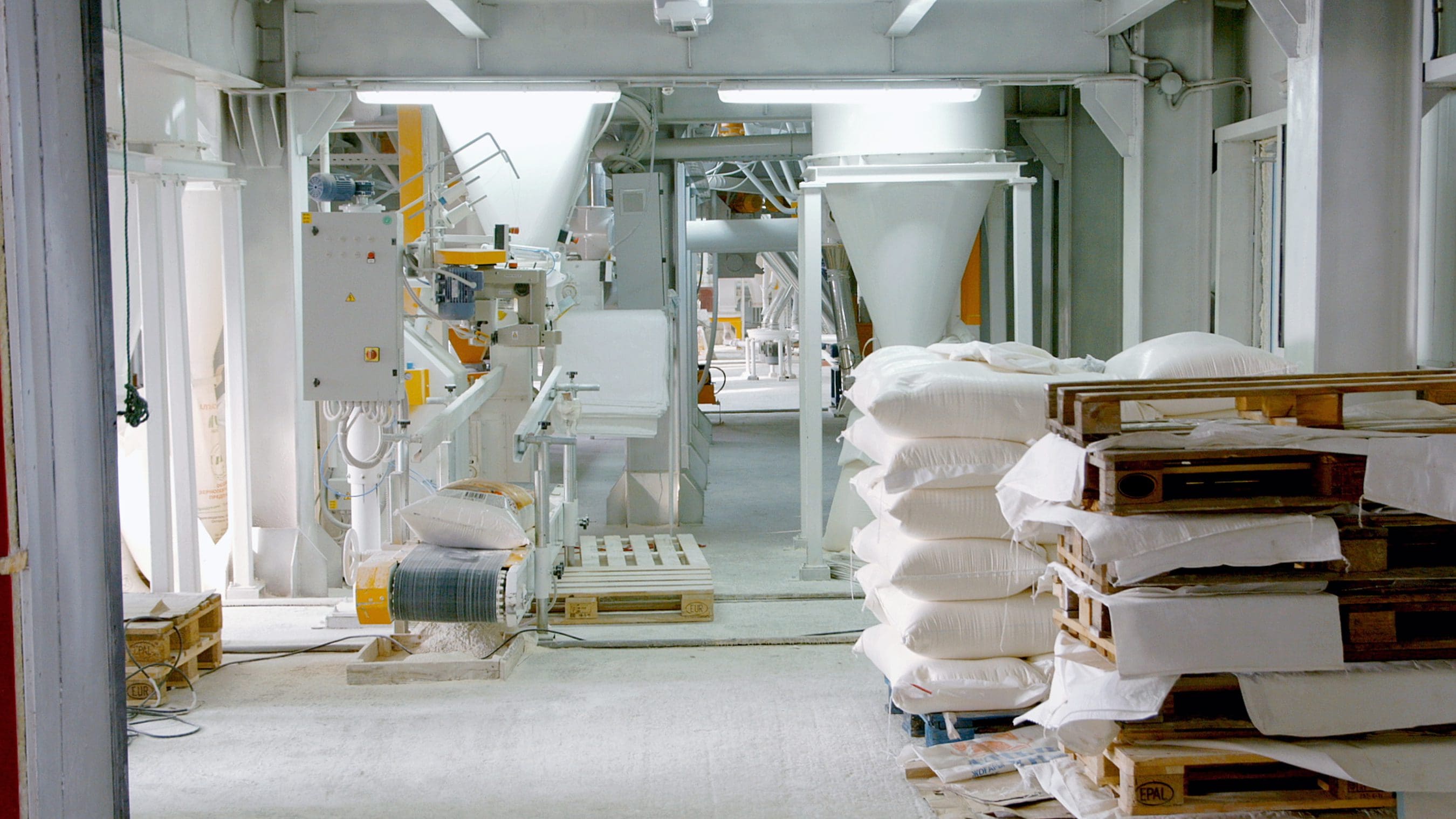
Process Areas We Serve
Powder Mixing & Blending
Protein powders, vitamin premixes, flavor systems, and supplement blends. Dust capture at mixer discharge, bag dump stations, and packaging lines.
Grain & Flour Milling
Wheat, corn, rice, oat, and specialty grain milling. Highly combustible dust requiring NFPA 61 explosion protection throughout the handling chain.
Spice & Seasoning
Grinding, blending, and packaging of herbs, spices, and seasoning blends. Fine particle capture with activated carbon for odor control.
Baking Ingredients
Sugar, starch, baking powder, cocoa, and confectionery ingredients. Many are hygroscopic and require specialty filter media.
Supplement & Nutraceutical
Capsule filling, tablet pressing, powder blending, and packaging. Cross-contamination control between active ingredients and allergen management.
Snack & Cereal Production
Extrusion, frying, seasoning application, and packaging. Oily dusts and seasoning powders require specialty media that resists blinding.
Dairy & Powdered Milk
Spray drying, powder handling, packaging, and CIP-compatible dust collection for dairy-sensitive environments.
Pet Food & Animal Feed
Ingredient receiving, grinding, mixing, extrusion, and coating. High-volume dust generation with combustible dust requirements under NFPA 61.
Regulatory Standards We Design To
Food and supplement facilities operate under overlapping regulatory frameworks. We design systems to meet all applicable standards and provide the documentation packages needed for audits and certifications.
FDA 21 CFR 117
Current Good Manufacturing Practice (cGMP) for human food — equipment design, materials of construction, cleanability, and maintenance documentation.
NFPA 61
Prevention of fires and dust explosions in agricultural and food processing facilities — dust collection system design, explosion protection, and housekeeping.
NFPA 660
Combustible dust management standard (effective January 2026) — DHA requirements, explosion protection, electrical classification, and ongoing management program.
SQF / BRC / FSSC 22000
Third-party food safety certification requirements for dust control, allergen management, equipment maintenance, and environmental monitoring documentation.
Get a Sanitary System Designed Right
We’ll assess your ingredient types, allergen zones, production layout, and compliance requirements — then recommend a food-grade dust collection system that passes FDA audits and protects your workers.
Serving food & supplement manufacturers across Arizona, California, Nevada, New Mexico, and Utah.